The Allure of the Used Book
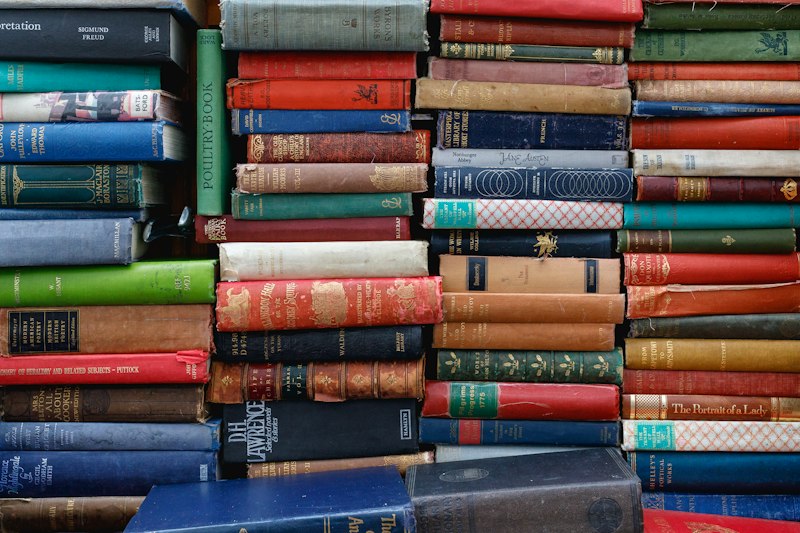
There is something deeply appealing about a used book. The slightly yellowed pages, the faint scent of aged paper, the mysterious inscription on the flyleaf, the coffee stain that tells of a previous reader's morning ritual — these marks of history transform a book from a mere commodity into an artifact with a story of its own. The secondhand book market thrives not just because used books are cheaper than new ones (though they are), but because they offer an experience that no shiny new volume can replicate.
The used book economy is also a massive market. Estimated to be worth several billion dollars annually worldwide, it encompasses everything from charity shop paperback bins to rare book dealers handling volumes worth thousands of dollars. Understanding this ecosystem — how it works, where to find the best books, and what makes the experience so rewarding — opens up a world of reading pleasure and serendipitous discovery.
The Landscape of Used Book Sellers
The used book market comprises a remarkable diversity of sellers, each offering a different experience and catering to different needs.
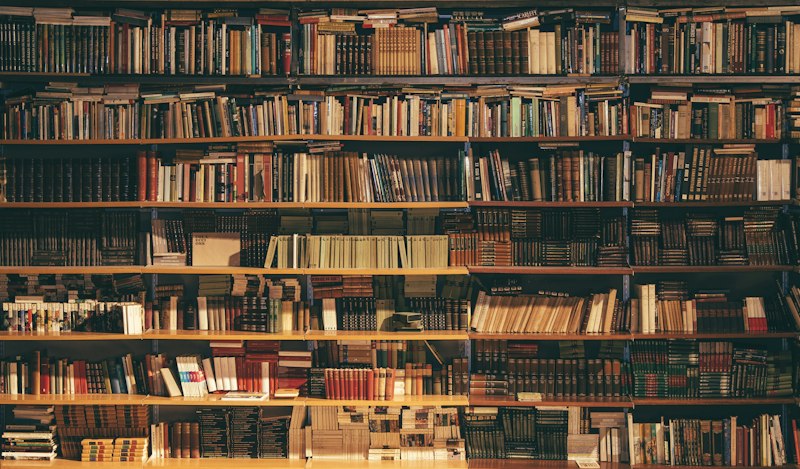
Secondhand bookstores are the traditional heart of the used book world. These stores, ranging from cavernous warehouses stuffed with tens of thousands of volumes to cozy neighborhood shops with carefully curated selections, offer the quintessential used book hunting experience. The best secondhand bookstores have knowledgeable owners who price fairly, organize thoughtfully, and create environments that invite browsing.
Charity shops and thrift stores offer the thrill of the deep bargain. Prices are typically the lowest in the used book ecosystem, and the unpredictability of the stock — entirely dependent on what has been donated recently — creates an element of surprise that more curated shops cannot match. The downside is inconsistency; you may visit a charity shop and find nothing of interest, or you may stumble upon a remarkable collection that someone has just donated.
Library sales are among the best-kept secrets of the used book world. Libraries regularly deaccession books to make room for new acquisitions, selling them at annual or ongoing sales for nominal prices. The quality is often excellent — libraries maintain their books well, and deaccessioned copies may include titles that were popular enough to warrant multiple copies, one of which is now surplus.
Online marketplaces have revolutionized used book buying by making it possible to search for specific titles across millions of listings worldwide. Platforms like AbeBooks, ThriftBooks, Better World Books, and eBay aggregate inventory from thousands of individual sellers, making it easy to find almost any title in almost any edition. The trade-off is the loss of physical browsing and serendipitous discovery.
The Art of Book Hunting
Experienced used book hunters develop skills and strategies that maximize their chances of finding treasures. They learn which stores in their area are likely to have interesting stock, what days new inventory is put out, and which sections are most likely to yield surprises. They develop an eye for valuable editions, learning to recognize first printings, notable imprints, and books that are worth more than their marked price.
One key strategy is patience. The best finds in used bookstores come to those who browse slowly and thoroughly. Rushing through a shop means missing the unusual title shelved in the wrong section, the beautiful edition hidden behind other books, or the inscription that reveals a fascinating provenance. Used book hunting rewards the same quality that good reading requires: sustained, attentive engagement.
Another strategy is breadth. While it is tempting to beeline for your favorite sections, the most rewarding discoveries often come from exploring unfamiliar territory. A reader who normally gravitates toward fiction might find an irresistible history of architecture, a captivating memoir, or a beautifully illustrated natural history in the secondhand shop's non-fiction section. The low cost of used books makes experimentation essentially risk-free.
The Economics of Used Books
The economics of the used book market are fascinating and often counterintuitive. Most used books have minimal resale value — the vast majority of titles can be purchased for a few dollars at most. But a small percentage of books command significant premiums, and understanding what creates value in the secondhand market is part of the joy of book hunting.
Scarcity is the primary driver of value. Books with small print runs, books that quickly went out of print, and books from publishers that no longer exist can be surprisingly valuable. First editions of books that went on to become classics are particularly sought after, as their original print runs were often modest. A first edition of The Great Gatsby had a print run of fewer than 21,000 copies, and surviving copies in good condition are now worth extraordinary sums.
Condition dramatically affects value. A used book in excellent condition may be worth ten or twenty times as much as the same edition in poor condition. Dust jackets, which protect hardcover books, are particularly important for twentieth-century books and are often the difference between a moderately valuable book and a highly valuable one.
The Sustainability Dimension
In an era of growing environmental awareness, the used book market offers a genuinely sustainable alternative to buying new. Every used book purchased extends the life of an existing physical object and reduces demand for new production. The environmental benefits accumulate across the millions of used books sold annually, representing a significant reduction in paper consumption, manufacturing energy, and transportation emissions.
The sustainability case for used books is straightforward but worth articulating. A single paperback novel requires approximately two-thirds of a pound of paper, and the full lifecycle emissions from production to disposal are not trivial when multiplied by the billions of books printed annually. By purchasing used, readers can maintain active reading habits while meaningfully reducing their environmental footprint.
Some used book platforms have built sustainability into their brand identity. Better World Books, for example, donates a portion of proceeds to literacy initiatives and has diverted millions of books from landfills. These organizations demonstrate that the used book economy can serve environmental, social, and literary goals simultaneously.
The Joy of Imperfection
Perhaps the deepest appeal of used books is their imperfection. A new book is a blank slate — uniform, pristine, and interchangeable with every other copy of the same edition. A used book is unique. Its wear patterns, annotations, bookmarks, and inscriptions make it one of a kind, a physical object with a history that extends beyond your own experience of reading it.
Finding marginalia in a used book — someone else's notes, underlines, and reactions in the margins — can be a surprisingly intimate experience. You are encountering another reader's mind, seeing what passages struck them, what questions they asked, and what connections they made. This dialogue across time and space, mediated by a shared physical object, is a form of community that only used books can provide.
The used book economy reminds us that books are not disposable consumer products but durable cultural objects designed to be read, shared, and passed along. Every used book you purchase is a book saved from destruction and given new life. In a culture of planned obsolescence, the used book stands as a quiet rebuke — proof that some things are worth holding onto, passing along, and treasuring across generations.