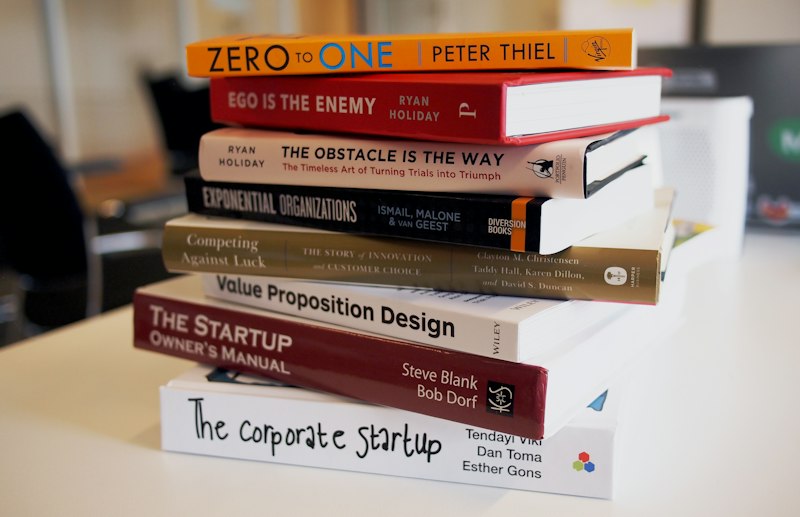


The Forgetting Problem
You have just finished an incredible book. You are full of insights, new ideas, and the certainty that this book has changed your perspective forever. Fast forward three months, and you can barely remember the main arguments, let alone the specific examples that moved you. Sound familiar? This experience is almost universal among readers, and it is deeply frustrating for anyone who invests significant time and energy in reading.
This is not a personal failing. It is how human memory works. Without active effort, we forget roughly 70 percent of new information within 24 hours. This phenomenon, known as the Ebbinghaus forgetting curve, was first documented in the 1880s and has been replicated hundreds of times. The curve is steep and unforgiving: most of what you read today will be gone by next week unless you take deliberate steps to retain it. But with the right strategies, you can bend the curve dramatically in your favor.
Before You Read: Set the Stage
Define Your Purpose
Before opening a book, ask yourself: Why am I reading this? What do I want to learn or experience? Having a clear intention primes your brain to notice and retain relevant information. When you read Atomic Habits, your purpose might be to find three strategies you can implement this week. When you read The Great Gatsby, your purpose might be to understand how Fitzgerald portrays the American Dream. The purpose shapes your attention, and attention shapes what your memory encodes.
Preview the Structure
Spend five minutes scanning the table of contents, chapter summaries, and reviews. This creates mental scaffolding, a framework your brain can attach new information to as you read. Think of it like looking at a map before a road trip: you do not memorize every turn, but you have a sense of the overall route, which makes each individual turn easier to understand in context. For a book like Sapiens, knowing the overall arc from biology to culture to economics helps each chapter's arguments stick.
While You Read: Active Engagement
Highlight Strategically
The key word is strategically. Highlighting entire paragraphs is essentially the same as highlighting nothing. Research shows that excessive highlighting creates an illusion of learning without the substance. Limit yourself to the core insight of each section. If everything is important, nothing is important. Choose the one sentence per section you would most want to remember in a year.
Write Marginal Notes
Do not just highlight. React. Write questions, connections to other ideas, disagreements, or real-world applications in the margins. This active processing is far more effective for memory than passive highlighting because it forces your brain to do something with the information rather than simply recognizing it. A marginal note like "contradicts what Kahneman says" creates a web of connections that strengthens memory for both books involved.
Use the Feynman Technique
After each chapter, try explaining the main ideas in simple language, as if teaching someone who knows nothing about the subject. Where you get stuck or confused is exactly where you need to re-read. This technique, named after physicist Richard Feynman, is one of the most effective learning strategies ever studied. It works because teaching requires you to organize information, identify gaps in understanding, and translate complex ideas into accessible language.
Ask Questions as You Read
Transform passive reading into an active dialogue with the author. After each section, ask yourself: What was the main point? Do I agree with it? What evidence supports this claim? How does this connect to what I already know? This questioning habit keeps your brain engaged and transforms reading from information reception into information processing, which is the mode that creates lasting memories.
After You Read: Lock It In
Write a Book Summary
Within 24 hours of finishing a book, write a brief summary in your own words. Include the three to five key ideas, your personal takeaways, and how you plan to apply what you learned. This summary becomes an invaluable reference, and the act of writing it cements the ideas in memory. The 24-hour window is critical because it catches the information before the steepest part of the forgetting curve erases it.
Discuss the Book
Talk about the book with friends, in a book club, or on Letturia. Explaining ideas to others forces you to organize your thoughts and fills in gaps in your understanding. Social discussion also creates emotional associations that strengthen memory. You are more likely to remember an idea you debated passionately than one you read quietly and never mentioned to anyone.
Use Spaced Repetition
Review your notes and highlights at increasing intervals: one day after finishing, then one week, then one month. This spaced repetition technique exploits how memory consolidation works and is the most scientifically validated method for long-term retention. Each review takes just a few minutes, but the cumulative effect is powerful. Tools like Readwise automate this by emailing you past highlights on a schedule.
Connect to Existing Knowledge
Ideas that connect to things you already know are remembered far better than isolated facts. As you read, actively ask: What does this remind me of? How does this relate to other books I have read? Does this confirm or challenge something I already believe? Building these connections creates a web of knowledge where each new book reinforces everything you have read before.
Tools and Systems
Keep a Reading Journal
A simple notebook or digital document where you record summaries, favorite quotes, and reflections. Over time, this becomes a personal knowledge base far more valuable than the books themselves sitting on your shelf. You can flip through years of reading journals and quickly refresh your memory on dozens of books in a single sitting.
Build a Personal Library System
Use Letturia to tag books by theme, rate them, and write notes. Being able to quickly search your reading history by topic creates an external memory system that extends your brain's limited storage and makes your reading habit compound over many years.
The 80/20 of Book Retention
If you implement only three habits from this article, make them these: first, define your purpose before reading. Second, write marginal notes while reading. Third, write a brief summary within 24 hours of finishing. These three habits alone will transform your retention from forgetting 70 percent to remembering the majority of what matters. Everything else is valuable optimization on top of this essential foundation.