

The Hidden Cost of Reading
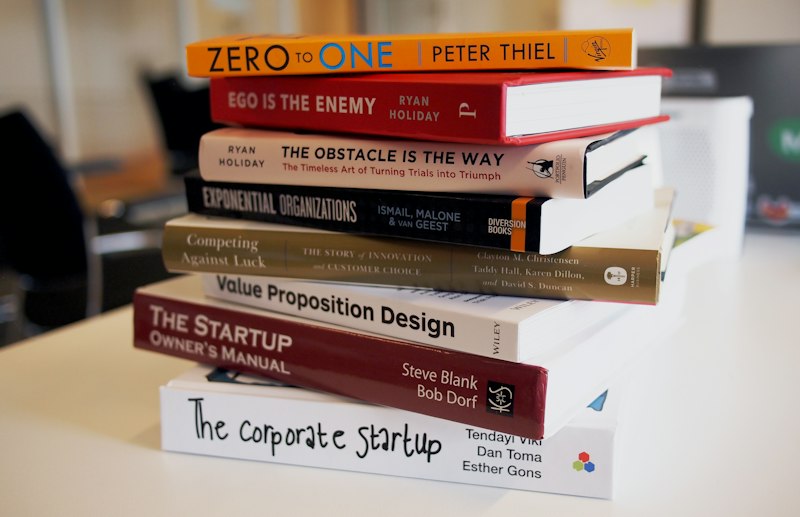
Books change the world, but making them also affects it. The global publishing industry produces approximately 2.2 billion physical books each year, and the environmental cost of this production is significant. From the forests that provide raw materials to the factories that print and bind, from the trucks and ships that distribute to the warehouses that store unsold copies, every stage of a book's life has an environmental footprint. As awareness of environmental issues grows, both the publishing industry and readers are grappling with difficult questions about the sustainability of our reading habits.
Paper: The Biggest Environmental Factor
Paper production is by far the largest environmental impact of traditional book publishing. The pulp and paper industry is the fourth largest industrial emitter of greenhouse gases and uses more water per ton of product than almost any other industry. A single book requires approximately two-thirds of a tree to produce, which means the global book industry consumes roughly 32 million trees per year.
Deforestation for paper production contributes to habitat loss, biodiversity decline, and reduced carbon sequestration capacity. Tropical forests, which are among the most biologically diverse ecosystems on Earth, are particularly at risk. While much of the paper used in book production comes from managed plantation forests rather than primary forest, the conversion of natural forest to tree plantations is itself a significant environmental concern.
The paper manufacturing process also generates significant pollution. Pulp mills use chemicals including chlorine, sulfur dioxide, and various organic compounds that can contaminate water and air if not properly controlled. The bleaching process, which whitens paper to the brightness readers expect, has historically been one of the most polluting aspects of paper production, though modern techniques have significantly reduced the use of elemental chlorine.
Printing and Binding
Modern offset printing is a relatively efficient industrial process, but it still consumes significant energy and generates waste. Printing inks traditionally contained petroleum-based solvents that released volatile organic compounds into the atmosphere. Soy-based and vegetable-based inks, which are increasingly common, have reduced but not eliminated this problem.
Binding materials — including glues, thread, cover boards, and laminated covers — add their own environmental burden. The polyethylene lamination commonly applied to book covers to create a glossy or matte finish makes those covers non-recyclable. Metal foil stamping, embossing, and other decorative finishes add additional non-recyclable materials.
Perhaps the most wasteful aspect of book production is the industry's returns system. In traditional publishing, bookstores can return unsold books to publishers for full credit. An estimated twenty to thirty percent of all printed books are returned and destroyed — stripped of their covers and pulped. This means that a significant fraction of all the resources invested in producing books is wasted on copies that will never be read.
Distribution and Transportation
Books are heavy, and moving them around the world generates significant carbon emissions. The typical book travels thousands of miles from printer to warehouse to bookstore or reader's door. Many books published by American publishers are printed in China, adding trans-Pacific shipping to their carbon footprint.
The rise of online bookselling has complicated the environmental picture. On one hand, Amazon and other online retailers can be more efficient than brick-and-mortar bookstores because they operate from centralized warehouses and avoid the energy costs of maintaining retail spaces. On the other hand, individual package delivery generates emissions that would be avoided if readers purchased books during trips they were already making to physical stores.
The "last mile" of delivery — getting a package from a distribution center to a reader's home — is disproportionately carbon-intensive. Expedited shipping, which prevents efficient route consolidation, is particularly problematic. A reader who orders books one at a time with two-day shipping generates significantly more emissions than one who combines orders or accepts standard delivery.
E-Books: Not as Green as You Think
E-books are often presented as the environmentally friendly alternative to print, but the picture is more complex. The manufacturing of e-readers requires mining rare earth minerals, energy-intensive manufacturing processes, and creates electronic waste at end of life. A single Kindle has a carbon footprint equivalent to approximately 30 to 50 printed books, depending on the source of electricity used to power it.
This means that e-readers only become environmentally advantageous if you read more than about 30 to 50 books on them before replacing them. Given that many consumers upgrade their devices every few years, the environmental benefit is not as clear-cut as it might seem. However, for heavy readers who consume fifty or more books per year, e-readers are likely the greener option over time.
Audiobooks streamed over the internet also have a carbon footprint, primarily from the energy consumed by data centers and streaming infrastructure. While this per-unit footprint is generally smaller than that of a physical book, the rapidly growing popularity of audiobook streaming means the aggregate impact is increasing.
What the Industry Is Doing
The publishing industry has taken meaningful steps toward sustainability, though critics argue the pace of change is too slow. The Forest Stewardship Council certification system allows publishers to use paper from responsibly managed forests, and many major publishers now specify FSC-certified paper for their books. Print-on-demand technology reduces waste by printing books only when ordered, eliminating the returns problem for titles that use this method.
Some publishers have committed to carbon neutrality, offsetting their emissions through reforestation and clean energy investments. Others have switched to soy-based inks, eliminated plastic lamination from covers, and reduced trim sizes to use less paper. The shift toward lighter-weight paper stock has reduced the weight and thus the shipping emissions of individual books.
What Readers Can Do
Readers who want to minimize their environmental impact have several options. Buying used books gives existing copies a second life and prevents new production. Borrowing from libraries maximizes the number of readers served per physical book. Supporting independent bookstores that stock carefully curated selections reduces the overproduction and waste associated with mass-market publishing. And when you do buy new, choosing publishers who prioritize sustainability sends a market signal that environmental responsibility matters. The love of books and the love of the planet need not be in conflict — but reconciling them requires conscious choices from both publishers and readers.