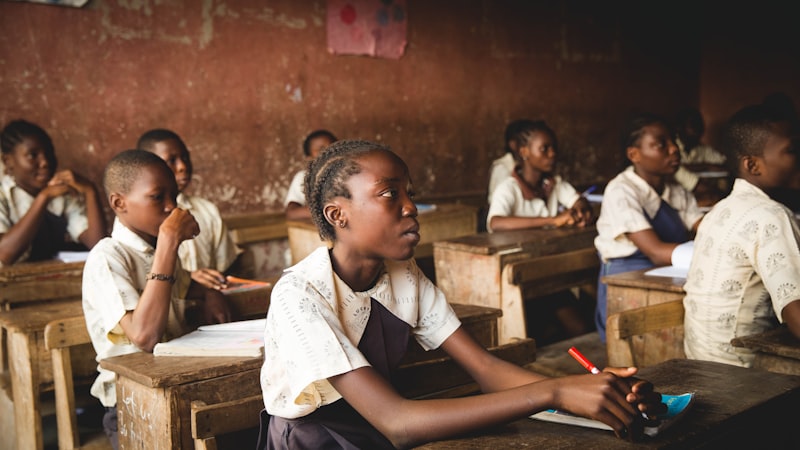


A World United by Words
Reading is a universal human activity, but the ways in which different cultures celebrate, promote, and engage with books vary enormously. From ancient literary traditions to modern innovations in book culture, every society has developed its own unique relationship with the written word. Exploring these diverse reading cultures reveals not only the richness of global literary traditions but also surprising commonalities that connect readers across borders and languages.
Understanding how other cultures approach reading can enrich our own reading lives, introduce us to new perspectives, and remind us that the love of books is one of the most powerful forces connecting humanity across all divides.
Iceland: The Jolabokaflod Tradition
Iceland has one of the most extraordinary reading cultures in the world. With a population of roughly 370,000, the country publishes more books per capita than any other nation. The literary tradition runs deep — the medieval Icelandic sagas are among the greatest achievements of world literature, and storytelling remains central to Icelandic identity.
The most famous Icelandic book tradition is the Jolabokaflod, or "Christmas Book Flood." Each year, the Icelandic publishing industry releases the majority of its new titles in the months leading up to Christmas. On Christmas Eve, Icelanders exchange books as gifts and then spend the evening reading them, often accompanied by hot chocolate. This tradition has helped maintain Iceland's position as one of the most literate nations on Earth and has inspired readers worldwide to adopt similar holiday reading rituals.
The tradition is supported by the annual Bokatidindi catalog, which is sent to every household in Iceland, listing all the new books published for the Christmas season. It is the most anticipated publication of the year, and families use it to plan their Christmas book purchases.
Japan: The Culture of Reading on Trains
Japan's reading culture is deeply intertwined with its commuting culture. The country's extensive and heavily used railway system has created a vast population of commuter-readers. On any Japanese train, you will see passengers absorbed in books, manga, or increasingly, e-readers and smartphones displaying digital text.
This commuter reading culture has shaped Japanese publishing in distinctive ways. The bunkobon format — small, inexpensive paperback editions of previously published books — was designed specifically to fit in a commuter's hand and bag. Light novels, a genre of short, accessible fiction, emerged partly to serve readers looking for quick, satisfying reads during their daily commute.
Japan's literary culture also includes unique phenomena like the "tsundoku" concept — the act of acquiring books and letting them pile up unread. The word, which has no direct English equivalent, reflects a culture where book buying is a form of optimism and aspiration, not merely consumption. Works of Japanese literature like those of Haruki Murakami have gained global followings, demonstrating the universal appeal of Japanese storytelling traditions.
Argentina: The Bookish Capital of Latin America
Buenos Aires holds the Guinness World Record for the most bookstores per capita of any city in the world. With over 700 bookstores serving a metropolitan population of roughly 15 million, the city's literary culture is palpable on every block. The famous El Ateneo Grand Splendid, a bookstore housed in a converted 1920s theater, regularly appears on lists of the world's most beautiful bookstores.
Argentina's literary tradition is world-class. Jorge Luis Borges, Julio Cortazar, and other Argentine writers have profoundly influenced global literature. The country's reading culture is supported by a robust network of independent publishers, literary magazines, and book fairs. The Buenos Aires International Book Fair is one of the largest in the world, attracting over a million visitors annually.
South Korea: The Competitive Reading Culture
South Korea's relationship with reading is shaped by its intensely competitive educational culture. Reading is valued not just as a form of pleasure or self-improvement but as a crucial tool for academic and professional success. The country has invested heavily in public libraries and reading programs, resulting in impressive literacy rates and book consumption figures.
The Korean publishing industry has evolved rapidly, embracing digital formats while maintaining a strong print tradition. Webtoons — digital comics optimized for smartphone reading — originated in Korea and have become a global phenomenon, blurring the lines between traditional reading and visual storytelling. Korean literature has also gained international recognition, with authors like Han Kang winning major international prizes and introducing global readers to Korean perspectives and storytelling traditions.
Nigeria: The Vibrant African Literary Scene
Nigeria has produced some of the most celebrated writers in the English language, from Chinua Achebe and Wole Soyinka to Chimamanda Ngozi Adichie and Ben Okri. The country's literary culture is as diverse as its population, with traditions spanning dozens of languages and ethnic groups.
Despite challenges including limited library infrastructure and the high cost of books relative to income, Nigeria's reading community is remarkably vibrant. Book clubs have proliferated in major cities like Lagos and Abuja, and Nigerian BookTok and Bookstagram communities are among the most active on the continent. Writers' organizations and literary festivals, including the Ake Arts and Book Festival, provide platforms for emerging voices.
The rise of self-publishing and digital distribution has been particularly transformative in Nigeria and across Africa, enabling writers to reach audiences without relying on traditional Western publishing gatekeepers. The future of African literature is being shaped by a generation of writers and readers who are proudly telling their own stories on their own terms.
Scandinavia: The Reading Welfare State
The Scandinavian countries — Denmark, Norway, Sweden, and Finland — consistently rank among the world's most prolific readers. This is no accident. These nations have invested heavily in cultural infrastructure, including extensive public library systems, generous author subsidies, and cultural policies designed to promote reading.
Norway's "author purchase" program, for example, requires the government to purchase a set number of copies of every book published by a Norwegian author, ensuring that every title reaches library shelves and that authors receive fair compensation. This policy supports a diverse publishing ecosystem and ensures that readers have access to a wide range of voices and perspectives.
The Scandinavian crime fiction tradition, known as Nordic Noir, has become a global literary phenomenon. Authors like Stieg Larsson, Jo Nesbo, and Henning Mankell have sold tens of millions of books worldwide, demonstrating how a strong domestic reading culture can produce literature with universal appeal.
India: A Multilingual Reading Mosaic
India's reading culture is extraordinarily complex, reflecting a country with 22 officially recognized languages and hundreds of additional languages and dialects. Literary traditions span millennia, from the ancient Sanskrit epics to thriving contemporary publishing industries in Hindi, Bengali, Tamil, Malayalam, and many other languages.
The Jaipur Literature Festival, founded in 2006, has become the world's largest free literary festival, drawing hundreds of thousands of visitors and featuring writers from around the globe. India's publishing industry is one of the world's largest by title output, and the country's growing middle class has fueled increasing demand for both English-language and vernacular books.
Books like The Alchemist by Paulo Coelho have found enormous audiences in India, where the book's themes of personal destiny and spiritual seeking resonate deeply with cultural traditions. The interplay between India's ancient literary heritage and its rapidly modernizing reading culture makes it one of the most fascinating book markets in the world.
What We Can Learn from Global Reading Cultures
Exploring reading cultures around the world reveals several universal truths. First, investment in literary infrastructure — libraries, bookstores, festivals, and author support programs — consistently produces more vibrant reading cultures. Second, reading traditions that are embedded in daily life and social rituals (like Iceland's Jolabokaflod or Japan's train reading culture) are more durable than top-down literacy campaigns. Third, the most dynamic reading cultures are those that embrace both their own literary traditions and voices from around the world.
For individual readers, the lesson is clear: there is a world of reading culture waiting to be explored beyond your own borders. Seeking out literature in translation, learning about reading traditions from other cultures, and connecting with international reading communities can enormously enrich your relationship with books and deepen your understanding of the diverse world we share.