


A False Dichotomy
The debate between digital and physical books generates passionate opinions, with advocates on each side insisting their preferred format is superior. But framing this as a binary choice misses the point entirely. The most effective readers in 2026 are format-fluid: they choose the right format for the right situation, switching between physical books, e-readers, and audiobooks throughout the day based on context, convenience, and the demands of the specific book they are reading.
Rather than declaring a winner, this guide honestly examines the strengths and weaknesses of each format so you can make informed choices that maximize your reading quantity and quality.
Physical Books
Advantages
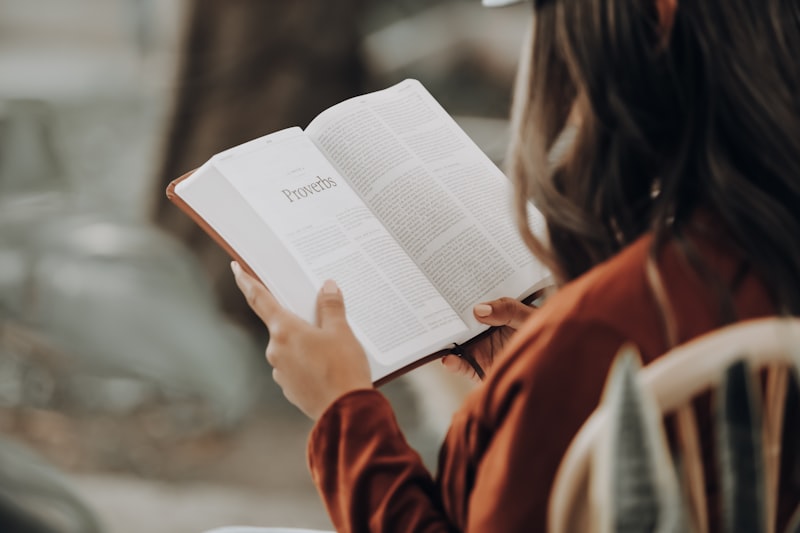
Tactile experience: There is something irreplaceable about the weight of a book in your hands, the texture of the pages, the smell of paper and ink. These sensory experiences create deeper encoding in memory. Research published in the journal Computers in Human Behavior found that readers of physical books scored higher on comprehension tests than readers of the same text on screens, particularly for complex material.
Spatial memory: Physical books give you a spatial relationship with the text. You remember that a key passage was on the left page, about two-thirds through the book. This spatial memory aids recall in ways digital text cannot replicate because scrolling and paginating on screens eliminates the fixed spatial cues your memory relies on.
No distractions: A physical book has no notifications, no apps, no browser. When you open a book, the only thing available to you is the text. This forced monotasking is increasingly valuable in a world designed to fragment your attention.
Ownership and display: Physical books are objects you own, display, lend, annotate, and pass down. A bookshelf tells a story about who you are. You cannot display an e-book collection on your wall or hand a digital file to a friend with a heartfelt recommendation in quite the same way.
Better for certain types of reading: Art books, photography collections, cookbooks, illustrated non-fiction, and poetry all benefit from the physical format in ways digital cannot match. The size, color reproduction, and tactile quality of these books are integral to the experience.
Disadvantages
Portability: A single physical book is fine, but carrying multiple books adds significant weight and bulk to your bag. On a two-week vacation, you might want five or six books but only have room for two.
Cost: New hardcovers regularly cost twenty-five to thirty dollars. Even paperbacks have risen to fifteen to twenty dollars. Over a year of heavy reading, the cost adds up substantially.
Storage: Books take up physical space, and serious readers eventually face the challenge of running out of room. Not everyone has space for extensive bookshelves.
Lighting requirements: You need an external light source to read a physical book, which limits where and when you can read comfortably.
E-Books and E-Readers
Advantages
Portability: Carry thousands of books in a device lighter than a single paperback. For travel, commuting, and reading on the go, nothing beats an e-reader. Your entire library is always with you.
Adjustability: Change font size, font type, line spacing, and margins to suit your preferences and visual needs. For readers with visual impairments, this adjustability is transformative and makes reading accessible in ways physical books cannot.
Built-in lighting: Read in any lighting condition, from bright sunlight to complete darkness. Warm-tone lighting options on modern e-readers are gentle on the eyes and do not interfere with sleep the way phone and tablet screens do.
Instant access: Buy and begin reading a book in seconds, anywhere in the world. No waiting for shipping, no trips to the bookstore. When a friend recommends something or you finish your current book at midnight, you can have the next one immediately.
Cost savings: E-books are typically cheaper than physical editions. Kindle Unlimited offers unlimited reading from a vast catalog for a monthly fee. Library e-books through Libby are completely free.
Searchability and highlights: Search the text, export highlights, and sync notes across devices. Finding a specific passage or quote is instant rather than requiring you to flip through pages from memory.
Disadvantages
Screen fatigue: Even e-ink screens can cause some degree of eye fatigue during very long reading sessions, though they are far gentler than LCD or OLED screens.
Reduced spatial memory: The uniform presentation of e-book pages eliminates the spatial cues that aid memory for physical books. You cannot remember that a passage was on the left page near the bottom because every page looks the same.
Ownership ambiguity: You do not truly own most e-books in the traditional sense; you license them. They cannot be resold, and in rare cases, they can be removed from your library by the platform.
Device dependency: Your library depends on a functioning device and, usually, an ongoing account with a platform. Batteries die, devices break, and companies can change terms of service.
Audiobooks
Advantages
Multitasking: Listen while commuting, exercising, cooking, cleaning, or doing other activities that occupy your hands and eyes but leave your ears and mind free. Audiobooks unlock reading time that would otherwise be impossible.
Performance: A skilled narrator brings a book to life in ways that silent reading cannot. Character voices, emotional tone, pacing, and emphasis add dimensions to the text. Some books, particularly memoirs read by their authors, are genuinely enhanced by the audio format.
Accessibility: For people with visual impairments, dyslexia, or physical conditions that make holding a book difficult, audiobooks make reading fully accessible.
Speed adjustability: Most audiobook players allow speed adjustment. Listening at 1.25 or 1.5 times normal speed can reduce listening time significantly without sacrificing comprehension for most listeners.
Disadvantages
Passive engagement risk: It is easier to zone out during an audiobook than while reading text. Your mind can wander during a commute or workout, and you may miss passages without realizing it.
Annotation difficulty: Marking passages and taking notes is more cumbersome with audiobooks than with text formats. While bookmark features exist, they are less precise and useful than marginal notes.
Not ideal for dense material: Highly technical, data-heavy, or structurally complex books often work poorly as audiobooks because you cannot easily re-read a confusing passage, pause to think, or reference a chart or diagram.
Narrator dependency: A poor narrator can ruin an otherwise excellent book. If the narrator's voice or style grates on you, the entire experience suffers in a way that does not apply to text formats.
The Optimal Multi-Format Strategy
The best approach is to use all three formats strategically. Physical books for deep, focused reading at home, especially for books you want to annotate heavily or display. E-readers for commuting, travel, and bedtime reading. Audiobooks for exercise, household tasks, and driving. Some readers even use multiple formats for the same book, reading the physical copy at home and switching to the audiobook during their commute, which Kindle's Whispersync technology makes seamless.
The format wars are a distraction from what matters. The best format is the one that gets you reading consistently and enjoyably. Experiment with all three, find what works for different situations in your life, and stop worrying about which one is officially correct. They are all real reading, and they all count.