

More Than Decoration
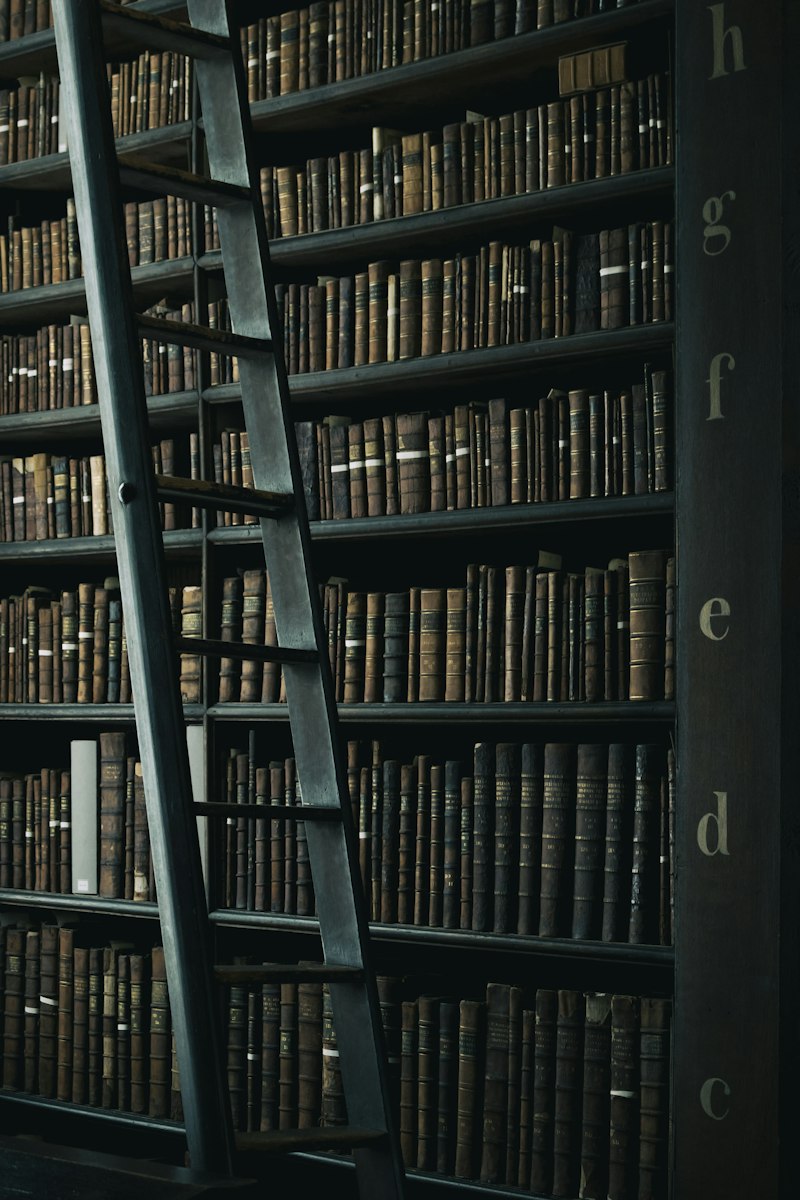
A well-built home library is one of the greatest investments a reader can make. It is not about showing off how many books you own. A true home library is a working collection: carefully curated books you have read, are reading, plan to read, or use as references. It is a physical manifestation of your intellectual life, and when built thoughtfully, it becomes a tool that actively supports your reading habit every single day.
Building a home library does not require a dedicated room or massive budget. A single well-organized bookshelf can be more useful and inspiring than a room full of randomly accumulated books. The guiding principle is curation over accumulation.
Starting Your Collection
The Core Shelf
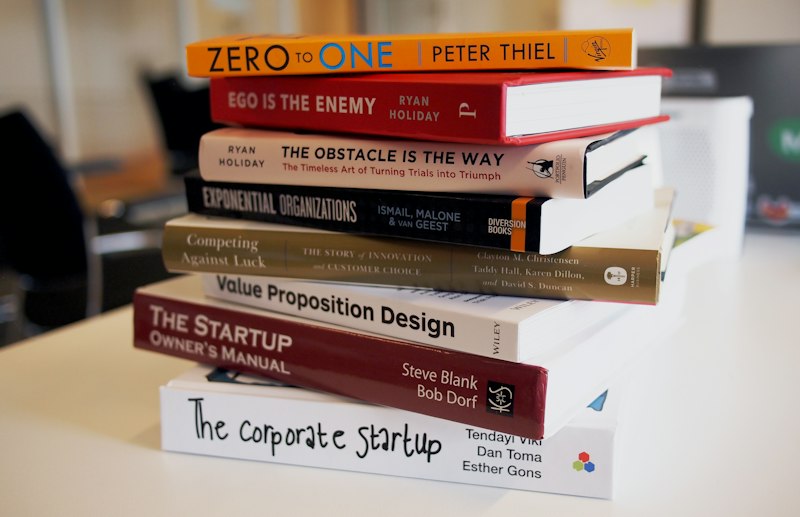
Begin with what you own. Sort through your books and identify your core collection: the most meaningful reads, your next planned reads, and regularly consulted references. These have earned their shelf space. For many readers, this core includes transformative reads like Atomic Habits, beloved novels like Harry Potter, or thought-provoking non-fiction like Sapiens. Everything else should be honestly evaluated: does it earn its place?
Building Intentionally
Every book you add should serve a purpose. Ask: Will I read this soon? Will I re-read it? Will I reference it? Will I lend it? If all answers are no, it does not need shelf space. This sounds ruthless, but it distinguishes a curated library from a hoard. A curated library inspires you every time you look at it. A hoard creates guilt and a vague sense of being overwhelmed by unmet obligations.
Sourcing Affordably
Used bookstores, library sales, thrift stores, and online marketplaces like ThriftBooks and AbeBooks offer books at a fraction of retail. Little Free Libraries and book swaps with friends are free sources. Invest in beautiful editions of your absolute favorites, but find deals on everything else. The goal is a collection representing your taste and interests, not an expensive display.
Organization Systems
By Genre or Subject
The most intuitive system groups books by genre or subject. Fiction in one section, history in another, science in a third. Within each, organize alphabetically by author or chronologically. This makes finding specific books easy and enables satisfying browsing within topics when choosing your next read.
By Read Status
Organize by whether you have read the book. Unread books on a dedicated TBR shelf create a visual reminder. Read books on main shelves. Currently reading on the nightstand. This is particularly useful for readers with overwhelming TBRs because it limits the unread collection to a single, finite, manageable physical space.
By Personal Significance
Organize by how much books meant to you. Top shelf for life-changing reads. Middle shelves for books you enjoyed and recommend. Lower shelves for references and to-be-reads. This creates a visual hierarchy making it easy to find recommendations for friends or candidates for re-reading.
The Hybrid Approach
Most real libraries end up as hybrids. Fiction by genre, non-fiction by subject, with a special shelf for favorites and a dedicated TBR section. The best system is whatever makes sense to you and helps you find what you want quickly. If it works for you, it is correct.
Shelving and Display
Choosing Bookshelves
The IKEA Billy bookcase is the unofficial standard for good reason: affordable, modular, sturdy, and available in multiple sizes. Any sturdy shelving works, but consider weight. A full shelf of hardcovers is surprisingly heavy. Wall-mounted shelves should anchor to studs, not just drywall, to prevent dangerous collapses.
Maximizing Space
If space is limited, double-stack with smaller paperbacks behind taller hardcovers. Use bookends for partially filled shelves. Consider vertical space: above doorways, in hallways, in unused corners. Floating shelves create a sleek look and transform blank walls into functional displays without the footprint of freestanding bookcases.
Displaying Special Books
Some books deserve face-out display. Current reads, recent favorites, and beautiful editions can sit on tables, display shelves, or book stands. This creates visual interest and conversation starters. Rotating display books keeps your library feeling fresh and dynamic, always showcasing something different.
Maintaining Your Library
The Annual Purge
Once a year, go through your collection honestly. Remove books you read and did not enjoy enough to keep, impulse buys never opened, duplicates, and outdated references. Donate to libraries, give to friends, sell to used bookstores, or leave at Little Free Libraries. Making space for new books keeps your collection vibrant and genuinely reflective of who you are now.
Cataloging
If your library grows beyond a hundred books, consider digital cataloging. Letturia's shelving feature creates a record of your physical collection with read status, ratings, tags, and notes. This prevents duplicate purchases, enables topic searches, and lets you share your library with friends looking for recommendations.
Lending Policies
Lending is a great pleasure of having a library, but it can mean lost books. Decide your policy in advance. Some lend freely and accept losses philosophically. Others keep lending logs. Some maintain two tiers: books they lend freely and special editions they keep. Whatever your policy, communicate it clearly and graciously to avoid misunderstandings.
The Library as a Reading Tool
A well-maintained library does not just store books; it actively promotes reading. Seeing your shelves daily reminds you of books to read and re-read. Browsing your own collection is faster and more satisfying than browsing online. The physical presence of books you love creates an environment that encourages you to pick one up instead of reaching for your phone. Your library is a portrait of your intellectual life. It does not need to be large, expensive, or architecturally impressive. It just needs to be authentically yours.