
Reading in the Age of Connectivity
Social media has transformed virtually every aspect of modern life, and reading is no exception. The way we discover books, choose what to read, share our reading experiences, and even process what we have read has been fundamentally altered by the social platforms that now mediate so much of our daily experience. This transformation has been both celebrated and criticized, but one thing is certain: there is no going back to a pre-social-media reading culture.
Understanding how social media has changed reading helps us be more intentional about our relationship with both technology and books. It also reveals opportunities to harness the positive aspects of social reading while mitigating the downsides.
Discovery: The Democratization of Recommendations
Before social media, book discovery relied on a relatively small set of channels: newspaper reviews, bookstore browsing, word-of-mouth from friends and family, and publisher marketing. These channels favored established authors, major publishers, and books that fit neatly into existing marketing categories. Many excellent books languished in obscurity simply because they lacked access to the gatekeepers who controlled visibility.
Social media blew open these gates. Platforms like Goodreads, Instagram, TikTok, and YouTube created new pathways for books to find their audiences. A self-published romance novel could find millions of readers through BookTok without ever receiving a single professional review. A translated literary novel from a small press could gain international attention through passionate Bookstagram posts. The democratization of recommendation was real and transformative.
Books like The Alchemist by Paulo Coelho experienced renewed popularity through social media recommendations, reaching new generations of readers who might never have encountered them through traditional channels. The platform did not create the book's quality, but it created the conditions for that quality to be discovered by a global audience.
Reading as Performance
One of the most significant and controversial changes social media has brought to reading culture is the transformation of reading from a private activity into a public performance. When you post a photo of yourself reading, share a quote on Instagram, or film a BookTok reaction video, you are performing your reading identity for an audience. This performance element has both positive and negative implications.
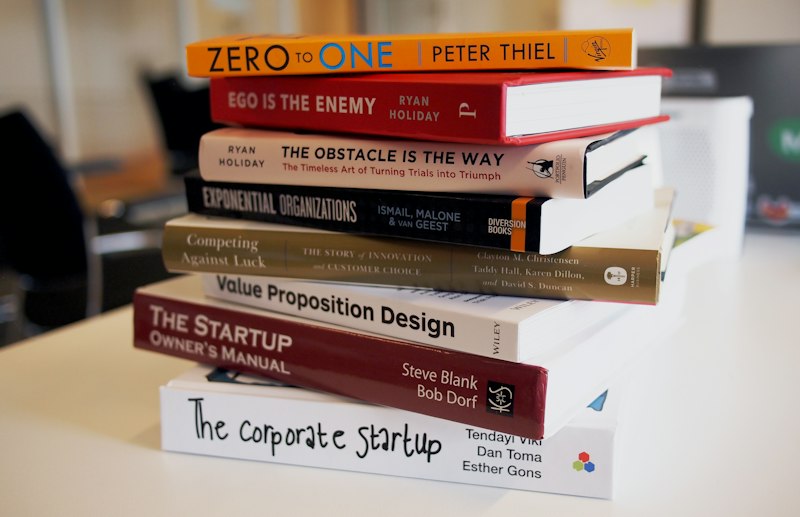
On the positive side, the visibility of reading on social media has helped normalize and celebrate book culture. When young people see their peers enthusiastically discussing books online, it counteracts the stereotype that reading is uncool or outdated. The aesthetic celebration of books on platforms like Instagram — beautiful shelf arrangements, cozy reading nooks, artfully photographed book stacks — has made books desirable objects and reading a desirable activity.
On the negative side, performative reading can distort the reading experience itself. When you are reading partly to generate content — to have something to post about, to hit your Goodreads reading challenge target, to stay current with what everyone else is discussing — the private, contemplative quality of reading can be compromised. The pressure to read quickly, read widely, and have opinions ready to share can turn reading from a pleasure into a productivity metric.
The Attention Economy and Deep Reading
Perhaps the most troubling impact of social media on reading is its effect on our capacity for sustained attention. The constant stimulation of social media feeds — designed by some of the world's most talented engineers to be maximally engaging — trains our brains to expect frequent novelty and immediate reward. The slow, patient engagement that deep reading requires runs counter to the habits social media cultivates.
Research suggests that heavy social media use is associated with decreased attention spans and reduced ability to engage in what scholars call "deep reading" — the slow, immersive, contemplative reading that allows us to fully absorb and process complex ideas. When we read a challenging novel like 1984 by George Orwell, we need sustained concentration to follow its arguments, appreciate its ironies, and grapple with its implications. Social media makes that concentration harder to achieve.
Many readers report struggling to finish books they genuinely enjoy, not because of the books themselves but because the pull of their phones constantly interrupts the reading experience. The solution is not to abandon social media or reading but to be intentional about creating spaces — both physical and temporal — where reading can happen without digital distraction.
Taste Formation in the Social Media Era
Social media has significantly influenced what people choose to read, and this influence raises important questions about taste formation and literary diversity. When book recommendations are driven by what goes viral rather than what is critically acclaimed or personally meaningful, certain types of books are systematically favored over others.
Books with strong emotional hooks, surprising plot twists, and easily communicable premises perform well on social media. Books that are quiet, subtle, experimental, or slow-burning may struggle to generate the kind of enthusiastic, shareable content that drives social media visibility. This does not mean social media readers have bad taste — it means the medium itself favors certain kinds of reading experiences.
The result is a reading culture that is simultaneously more connected and more conformist than previous eras. More people are reading, and they are reading a wider variety of books than ever before. But they are also more likely to be reading the same books at the same time, driven by the same viral recommendations. The challenge for individual readers is to use social media as one input among many rather than allowing it to dictate their reading choices entirely.
Community and Connection
Despite these concerns, social media has created genuine and valuable reading communities. For readers who lack access to local book clubs, bookstores, or literary events — whether because of geography, disability, social anxiety, or simply living in a community with limited literary culture — online reading communities provide essential connection.
The discussions that happen in Goodreads groups, book-focused Discord servers, Reddit reading communities, and social media comment sections can be thoughtful, illuminating, and deeply satisfying. Readers find others who share their specific interests, discover books they would never have found on their own, and engage in conversations about ideas that enrich their understanding of the books they read and the world they live in.
For marginalized readers — people of color, LGBTQ+ readers, disabled readers, readers from non-Western cultures — social media communities have been particularly transformative. These communities provide spaces where readers can discuss books that reflect their experiences, recommend titles by underrepresented authors, and push for greater diversity in publishing. The impact on what gets published and who gets to tell their story has been substantial.
Finding Balance
The relationship between social media and reading does not have to be adversarial. With intentionality, readers can harness the benefits of social reading culture — community, discovery, enthusiasm — while protecting the qualities that make reading valuable in the first place: concentration, contemplation, and personal engagement with ideas.
Practical strategies include setting boundaries around phone-free reading time, curating social media feeds to prioritize thoughtful book content over viral trends, maintaining a personal reading list that reflects your own interests rather than algorithmic recommendations, and periodically stepping back from online book discussions to process what you have read in your own way and at your own pace.
The goal is not to choose between social media and reading but to use each intentionally. Social media is a powerful tool for book discovery and community. Reading is a powerful tool for understanding, empathy, and personal growth. When we use both wisely, they complement rather than compete with each other.