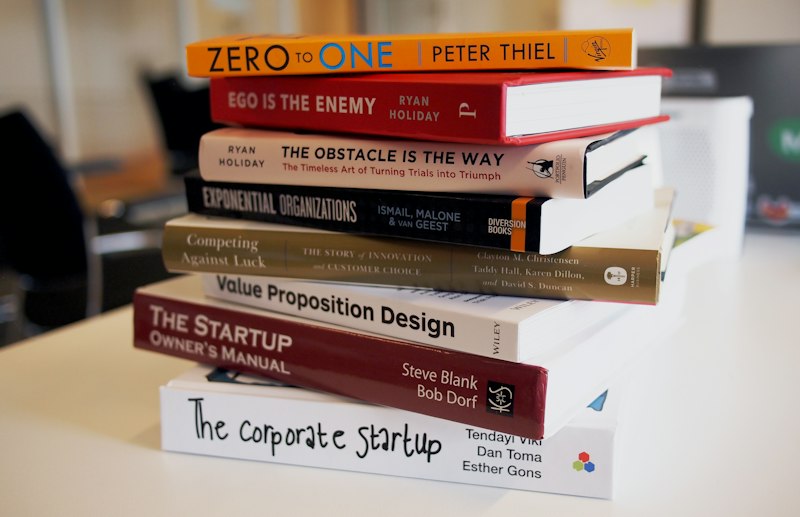


The Comfort Zone Trap
Reading preferences develop naturally over time. You discover a genre you love, whether it is mystery, science fiction, literary fiction, or self-help, and you read more of it. Each good experience reinforces the preference. Before long, your reading diet becomes as predictable as eating the same lunch every day. It is satisfying, but you are missing the rich variety of flavors available to you.
There is nothing wrong with having a favorite genre. Genre preferences are a sign of self-knowledge, and reading what you enjoy is the foundation of a sustainable reading habit. But there is a significant difference between choosing your genre deliberately and defaulting to it unconsciously. If you have not ventured outside your primary genre in months or years, you are almost certainly missing books that would delight, challenge, and change you.
Why Stretch?
Expanded Empathy
Reading fiction about characters from different backgrounds, cultures, time periods, and life circumstances is one of the most powerful empathy-building activities available. Neuroscience research shows that reading literary fiction activates the same brain regions involved in understanding other people's mental states in real life. But this effect is strongest when the fiction challenges you rather than confirming your existing worldview. Reading about characters who think, live, and love differently from you stretches your empathetic capacity in ways that reading similar characters cannot.
Unexpected Discoveries
Some of the best books you will ever read are ones you would never have chosen based on genre alone. The mystery lover who picks up a science fiction novel on a whim and discovers a new favorite author. The non-fiction reader who tries literary fiction and finds herself weeping at the beauty of a perfectly crafted sentence. The fantasy enthusiast who reads a memoir and realizes that real human stories can be just as compelling as invented ones. These discoveries are only possible when you venture beyond the familiar.
Intellectual Cross-Pollination
Reading across genres and subjects creates connections between ideas that reading within a single domain cannot. A reader who reads both history and science fiction develops a sense of how societies change over time that enriches both genres. A reader of both poetry and non-fiction brings attention to language that makes their non-fiction reading more perceptive and their own writing more vivid. The most interesting thinkers are always the most interdisciplinary readers.
Preventing Stagnation
Even within a beloved genre, reading the same type of book repeatedly eventually leads to diminishing returns. The tenth thriller in a row starts to feel formulaic even if each individual book is well-crafted. Variety between genres keeps each return to your favorite feeling fresh and exciting rather than rote. Absence, even temporary absence, genuinely makes the heart grow fonder.
How to Start Without Misery
The Bridge Book Strategy
Instead of leaping directly from your comfort zone to its opposite, look for bridge books that combine familiar elements with unfamiliar ones. If you love thrillers, try a literary thriller that combines suspense with more complex character development. If you love fantasy, try magical realism, which uses fantastical elements in realistic settings. If you love non-fiction, try narrative non-fiction that reads like a novel. Bridge books ease the transition and reduce the risk of a negative experience.
The Trusted Recommendation
Ask a friend or fellow Letturia user who reads the genre you want to try to recommend the very best entry point. The difference between a good first experience and a bad one often determines whether you explore the genre further or write it off entirely. A die-hard mystery fan's first literary fiction experience should not be a dense, experimental novel. It should be something accessible, engaging, and representative of the genre at its best.
The One-in-Four Rule
For every three books in your comfort zone, read one outside it. This ratio ensures you are still primarily reading what you love while consistently expanding your range. Over the course of a year, this means roughly twelve out-of-comfort-zone books, enough for meaningful exploration without sacrificing the reading you enjoy most.
Try Short Works First
Before committing to a 400-page novel in an unfamiliar genre, try a short story, novella, or essay. Short works require less time investment and give you a taste of the genre without the commitment of a full-length book. Many genres have outstanding short fiction anthologies that serve as perfect sampler platters.
Use Challenges and Prompts
Reading challenges that require genre diversity push you outside your comfort zone with structure and community support. A challenge that asks you to read a book in translation, a book from a different continent, a book in a genre you have never tried, and a book published before 1950 creates natural variety. Letturia reading challenges are designed to balance comfort and exploration in exactly this way.
Genres Worth Trying
If You Read Mostly Fiction, Try:
Narrative non-fiction, which tells true stories with the pacing and craft of fiction. Try books about subjects you are curious about, written by authors known for engaging prose. History, science, and true crime all have strong narrative traditions that feel familiar to fiction readers while delivering real-world knowledge.
If You Read Mostly Non-Fiction, Try:
Literary fiction that explores themes you care about. If you read business books, try a novel about ambition and its costs. If you read psychology, try a novel with deep character studies. The emotional experience of great fiction complements the intellectual experience of great non-fiction, and each enriches your appreciation of the other.
If You Read Mostly Contemporary, Try:
Classics that have endured for generations. 1984 remains terrifyingly relevant. The Great Gatsby still captures something essential about ambition and loss. Classic literature endures because it speaks to universal human experiences, and reading it connects you to a conversation stretching across centuries.
If You Read Mostly English-Language, Try:
Translated literature. Some of the greatest novels ever written were not written in English. Japanese, Latin American, Russian, French, and African literatures offer perspectives, styles, and storytelling traditions that English-language fiction rarely provides. Start with well-regarded translations of widely celebrated works.
Giving It a Fair Chance
When trying a new genre, commit to finishing at least one complete book before forming a judgment. A single bad experience does not represent an entire genre. If you tried one science fiction novel and did not like it, that tells you about that specific book, not about science fiction as a whole. Try a different author, a different subgenre, a different era. Give the genre three chances before concluding it is not for you.
And if you try a genre three times and genuinely do not enjoy it? That is a perfectly valid conclusion. Not every genre is for every reader. But at least you will know from experience rather than assumption, and you may be surprised by how often your assumptions turn out to be wrong.