The Cult of Speed
We live in a culture that worships speed and efficiency. Speed reading courses promise to triple your reading rate. Annual reading challenges reward the highest book counts. Social media readers compete to log the most impressive numbers. In this environment, reading slowly feels like failure, like you are doing something wrong, like the other readers are lapping you on some invisible track.
But what if the obsession with reading speed and volume is actually making us worse readers? What if the rush to finish more books means we are absorbing less from each one? What if the most transformative reading experiences come not from consuming more, but from consuming less, more slowly, more attentively, more deeply?
What Is Slow Reading?
Slow reading is the deliberate practice of reading at a pace that allows for full engagement with the text. It means pausing to think about what you have read. It means re-reading passages that are beautiful, confusing, or important. It means annotating, questioning, connecting, and sitting with ideas rather than rushing to the next page. It is the reading equivalent of savoring a meal rather than wolfing it down.
Slow reading is not about reading at a snail's pace regardless of the material. It is about matching your speed to the demands of the text and your purpose in reading it. A thriller might be perfectly served by a fast, immersive read. A work of literary fiction or dense philosophy deserves a slower, more deliberate pace that allows its full richness to unfold.
The Benefits of Slow Reading
Deeper Comprehension
When you read slowly, you give your brain time to process, connect, and evaluate information. You notice nuances that a faster reader misses: the subtle foreshadowing, the carefully chosen metaphor, the argument's logical structure, the emotional undertone beneath a character's dialogue. Deep comprehension is not about being smart enough; it is about being patient enough to let your brain do its work at its natural pace.
Better Retention
Speed and retention are inversely correlated beyond a certain threshold. When you slow down, you naturally engage in the active reading behaviors that cement information in memory: pausing to summarize, connecting new ideas to existing knowledge, asking questions, and forming opinions. A book read slowly and deeply stays with you for years. A book rushed through fades within weeks. Ten books read deeply may ultimately give you more lasting knowledge than fifty books skimmed.
Greater Pleasure
There is a particular pleasure in slow reading that speed cannot provide: the pleasure of being fully present with a text, of losing yourself in a sentence so perfectly constructed that you read it three times just to appreciate its beauty, of following a complex argument step by step and feeling your understanding build, of living inside a fictional world long enough for it to feel real. This immersive pleasure is reading at its finest, and it requires time and attention to achieve.
Consider reading The Great Gatsby slowly enough to appreciate every sentence of Fitzgerald's prose. The famous last lines hit entirely differently when you have spent hours in the book's world versus when you have raced through it in an afternoon to check it off a list.
Reduced Reading Anxiety
The pressure to read more, faster, constantly creates anxiety that undermines the entire purpose of reading. Slow reading eliminates this anxiety. When you commit to reading deeply rather than broadly, you free yourself from the tyranny of the TBR pile, the reading challenge counter, and the comparison with other readers' numbers. You can enjoy the book in front of you without worrying about the hundred books you have not started yet.
How to Practice Slow Reading
Read Without a Time Limit
Instead of setting a timer or page goal, sit down with your book and read until you naturally stop. Some sessions will be ten minutes. Others will be two hours. Let the text and your engagement level determine the duration rather than an external deadline.
Re-Read Important Passages
When you encounter a passage that strikes you, stop and read it again. Maybe read it a third time. Let the words settle. Think about why they affect you. This kind of lingering attention is the heart of slow reading and the source of its deepest rewards.
Read Aloud
Reading aloud forces you to slow down to the natural pace of speech. It also engages different cognitive processes than silent reading: you hear the rhythm and music of the prose, which reveals qualities invisible to the silent, rushing eye. Try reading a page of your current book aloud and notice how much more you appreciate the writing when you hear it in the room.
Annotate Extensively
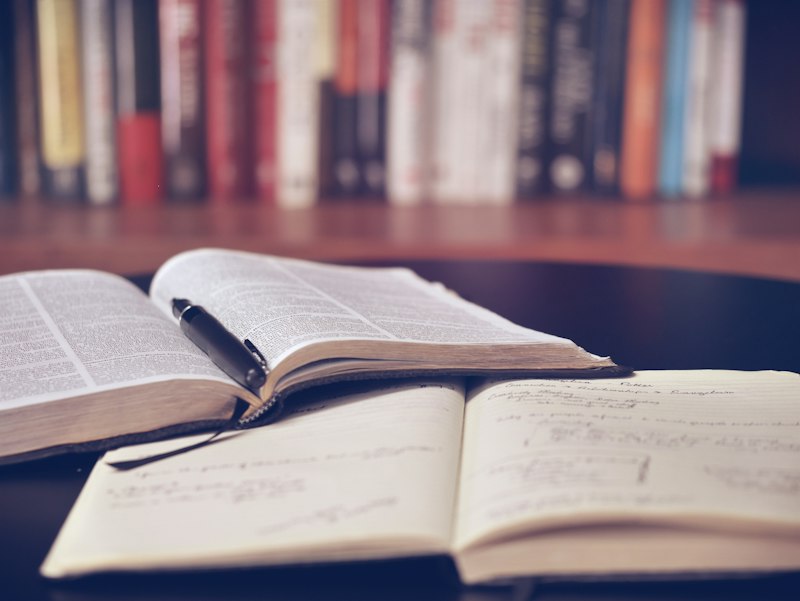
Write in the margins. Underline. Draw arrows. Write questions and reactions. The act of annotation is inherently slow and inherently valuable. It forces you to process what you have read and create a dialogue with the text rather than passively consuming it.
Put the Book Down and Think
When you encounter a big idea or a powerful scene, close the book and sit with it for a few minutes. Let your mind wander around the idea. Connect it to your own experience. Form your own opinion before reading the author's next point. This reflective pause is where the deepest reading happens, in the space between the pages, not on them.
Limit Your Reading List
Instead of maintaining a TBR of fifty books, keep a list of five to ten that you are genuinely excited about. Read each one slowly and thoroughly before moving to the next. This focus eliminates the anxiety of the infinite pile and allows you to give each book the attention it deserves.
Slow Reading in Practice
You do not need to slow-read every book. Reserve your deepest, most attentive reading for books that reward it: literary fiction, important non-fiction, philosophy, poetry, and books that challenge or move you. Read lighter material at whatever pace feels natural. The goal is not uniform slowness; it is appropriate speed, matching your pace to the text's demands and your own purpose in reading it.
The Slow Reading Manifesto
Read fewer books. Read them better. Remember them longer. Let them change you more deeply. The reader who finishes ten books and is transformed by three has read more meaningfully than the reader who finishes a hundred and remembers none.
In a world that moves too fast, slow reading is a quiet rebellion, an insistence that some things are worth doing carefully, attentively, and without rush. Your reading life is not a race. It is a journey, and the best journeys are the ones where you take time to notice the scenery along the way.